
Plastic products are used extensively in agricultural applications.
Traditionally, farmers had few options for the disposal of on-farm plastic wastes, due to the contaminated nature of the plastics, low volumes and distance to markets. Plastics may have been left in the fields, buried on site, or burnt (which is now illegal). These methods contaminate our air, water, soil and stock. Plastics left in fields may be consumed by animals; and when burnt, can generate the highly toxic, bio-accumulative poisons dioxin and furans. Chemicals from buried plastics may leach into waterways.
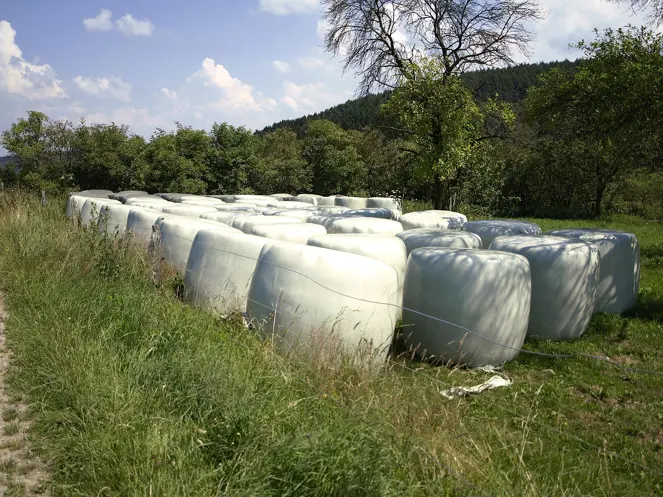
Recycling farm plastics
Currently there are two voluntary product stewardship schemes run by Agrecovery and Plasback, which offer collection and recycling services. Many agricultural supply stores accept farm plastic waste for collection and processing. Alternatively, on-site collections can be organised (refer to the Agrecovery and Plasback websites for details).
Plasback
Refer to the website for instructions on how material types and products should be separated and prepared so the different plastics can be collected and recycled.
- Bale wrap
- Silage pit covers
- Small low density polyethylene (LDPE) feed bags
- Shrink wrap
- Pallet covers
- Large Polypropylene feed and fertiliser bags
- HDPE drums
- Vineyard nets
- HDPS monofilament nets
- Polypropylene twines from farms and orchards
Agrecovery
The following can be recycled by Agrecovery:
- Containers
- Drums
- Small seed, feed and fertiliser bags: either LDPE plastic (#4) or Woven PP plastic (#5)
- Agrichemicals
Rural Recycling Scheme
In December 2025 the NZ Government announced that the existing Agrecovery and Plasback recycling programmes will be incorporated into a single, regulated, national scheme. It is intended that this new system will make it easier and more accessible for New Zealanders to recycle agrichemicals, their containers and farm plastics. For a range of plastic materials, the cost of end-of-life processing and recycling will be included in the purchase price. This means that disposing of these products will be free for the end user, thus making "doing the right thing" a more attractive option. The new scheme, known as the Rural Recycling Scheme, will be in the planning and documentation phase through 2026. Further information is available on the Agrecovery website: "Regulated farm plastics recycling scheme gets green light".
Handling agricultural waste plastics
Ensure that contractors and other visitors to your farm or orchard are briefed about your processes for managing packaging waste, so everyone working on your land is helping to keep plastic waste as clean as possible, sorted, and ready for processing. Accidental contamination can lead to a load of plastic waste no longer being suitable for recycling.
- Store silage bales on concrete if possible
- Remove wrap before moving bales to feeding areas
- Fully empty all bags – brush or shake if necessary
- If possible, remove crop covers in optimum dry conditions to avoid contamination
- Separate and store plastic wastes as they arise, not after they have blown around the fields.
- Empty, triple rinse and drain agrichemical containers – dispose of contaminated water safely. Agrecovery provides a helpful Triple Rinsing Guide for safe and effective rinsing of containers.
- Separate plastics according to type: wrap and film; fertiliser bags; crop nets etc
- Store waste plastics at one site to ease collection
- Tips for Businesses
- What is a Sustainability Officer?
- Communicating Sustainability with Staff
- Communicating Sustainability with Customers
- Sustainable Procurement
- Signage & Bins
- Packaging
- Food waste
- Zero Waste Events
- Commercial recycling
- Agricultural Recycling
- Resources & Campaigns
- Environmental Awareness Calendar